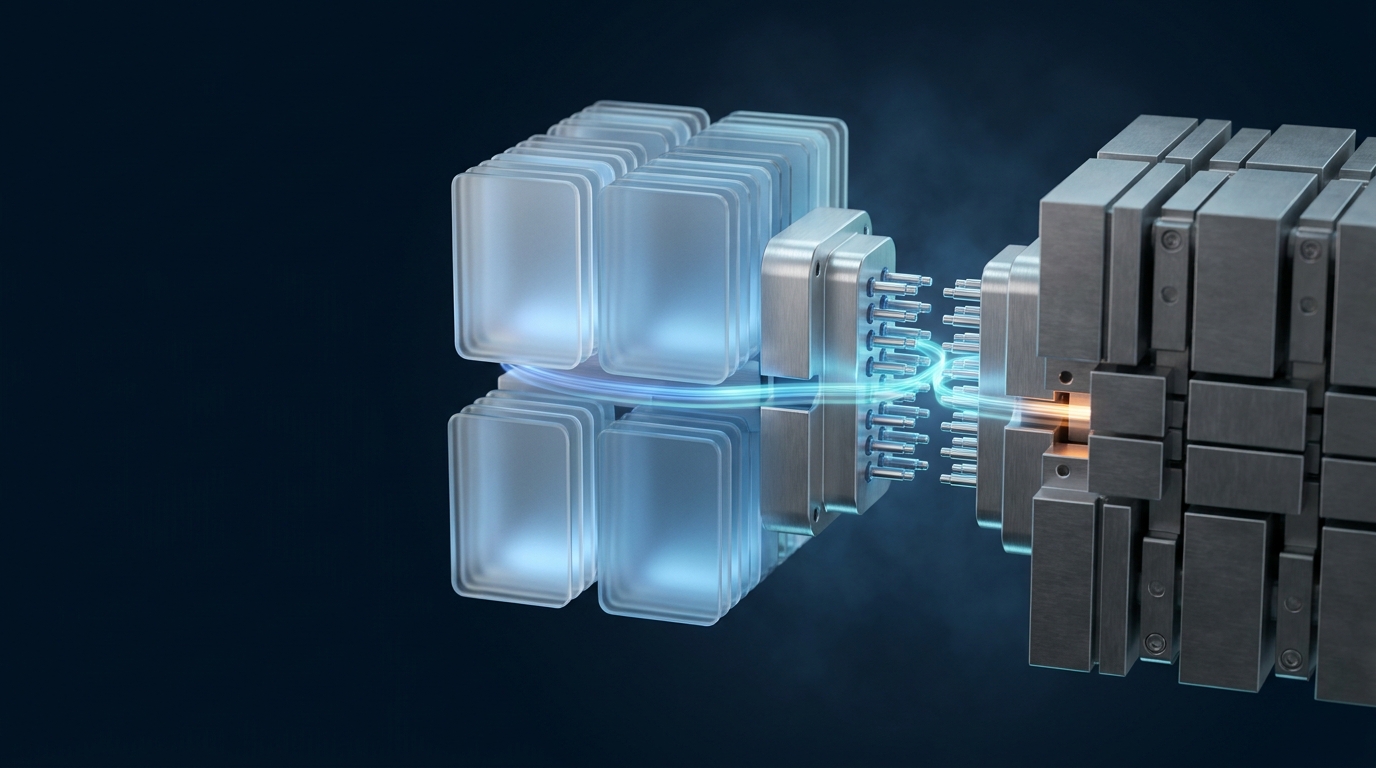
CRM and ERP integration for sales and finance
Most CRM and ERP projects do not fail at the interface. They fail where two systems disagree about what a customer, an order or an invoice is, and somebody reconciles the difference by hand every month. We build that layer: the field maps, the sync rules, and the automation that only works once both systems tell the same story.
What the work actually involves
The data layer first
Before a screen is drawn we agree what a customer, an order and an invoice mean in both systems, and write it down. Integrations that break later break here.
Sales automation on top
Lead routing, sequences, quotes and the handover to finance, built on records that are already correct. Automation over bad data only makes the wrong thing happen faster.
Migration without a blackout
Old and new run side by side, records are reconciled in both directions, and the switch happens once the numbers agree rather than on a date somebody promised.
Yours after we leave
Field maps, sync rules and the runbook live in your repository. A vendor nobody can replace is a cost, not a partner.
How we work
We start by reading, not by quoting
Before a number exists we go through the brief, the existing code and whatever is already in production. You get a written plan with dates and the risks named, usually within a week. If the honest answer is that you do not need us, you get that instead.
A small senior team with one owner
Two to five engineers, one lead who is accountable for the outcome and answers your messages. No account manager relaying questions, no rotating bench, no juniors learning on your budget.
Everything is yours from day one
Repositories, cloud accounts, domains and pipelines are in your name from the first commit, not handed over at the end. When the engagement stops, nothing stops working.
Questions clients ask first
Which systems do you work with?+
Salesforce, HubSpot, Zoho and Dynamics on the CRM side; NetSuite, Odoo, SAP and Microsoft Dynamics on the ERP side, and the in-house system most companies actually run alongside them. The brand matters less than two answers: is there a usable API, and is there a sandbox to test against. Those decide the timeline, and we check them before quoting.
Our data is a mess. Should we clean it first?+
No, and waiting for a clean dataset is how this work stalls for a year. Deduplication and mapping are part of the job, and the migration is what exposes the mess in the first place. You get a report of every record that could not be matched, and a decision to make about each one instead of a silent guess.
Can you take over an integration somebody else built?+
Yes, beginning with an audit of what it actually does, which is often not what the documentation claims. Where there is no documentation we write it as we go. We will also say plainly when replacing it costs less than repairing it, including when that answer is the inconvenient one for us.
Are you the engineer, not the client?
We staff this work partly from independent developers and studios verified on our own platform, and the same platform is how contractors outside the US invoice American clients and get paid.
How that worksOther things we do

Custom software development for companies in the US, Canada and the EU
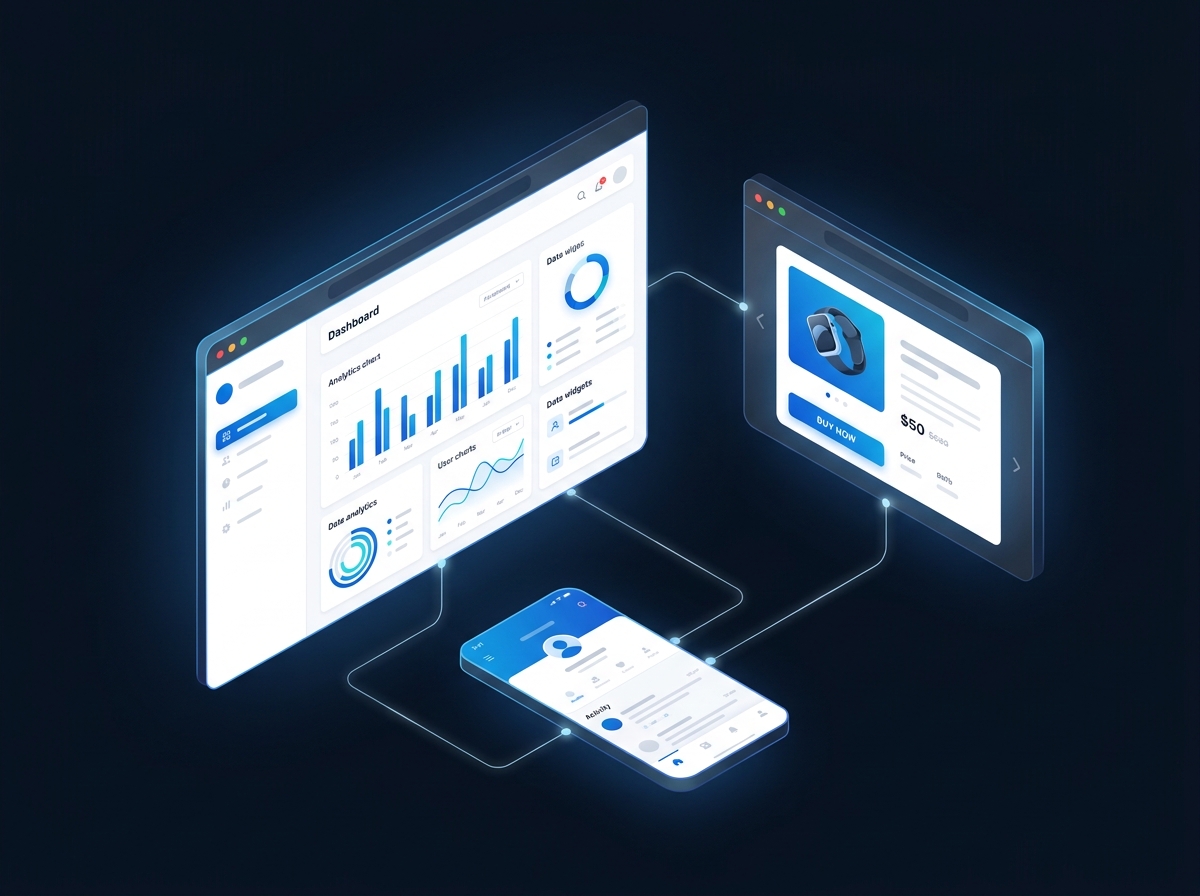
Websites and SaaS products, built to be measured
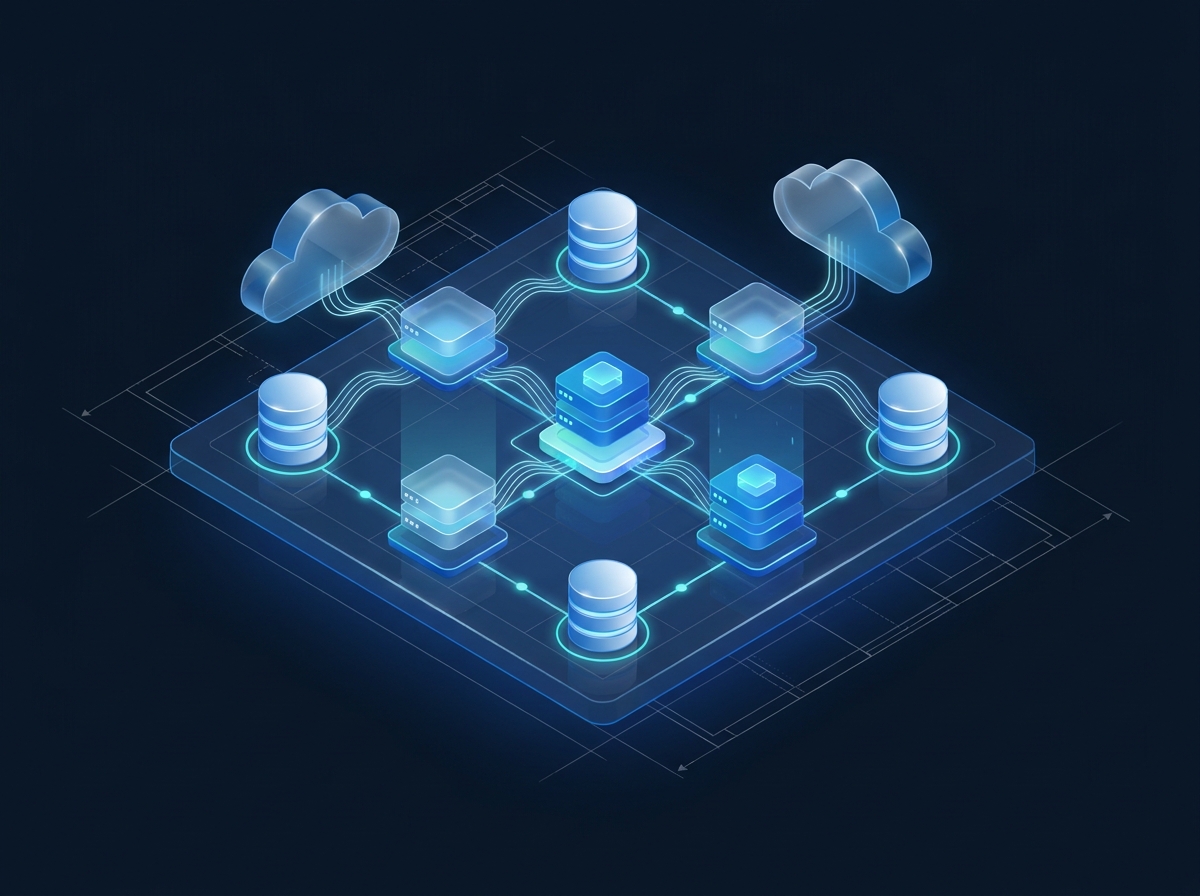
Systems architecture and cloud infrastructure
AI agents and automated workflows that run in production

Putting AI inside a product that already has users

Demand generation for companies that sell something complicated
Tell us what you are building
A short description of the problem is enough to start. We reply with what we would do, what it would take, and what we would not touch.
Discuss a project